
Orientation
Tour, introductions, and a clear explanation of daily expectations and support so nothing important feels hidden or rushed.
Most insurance accepted
What to Expect
Hour by hour, it's far less dramatic than people brace for. Here's the honest version so you can stop imagining the worst one.
Early Days
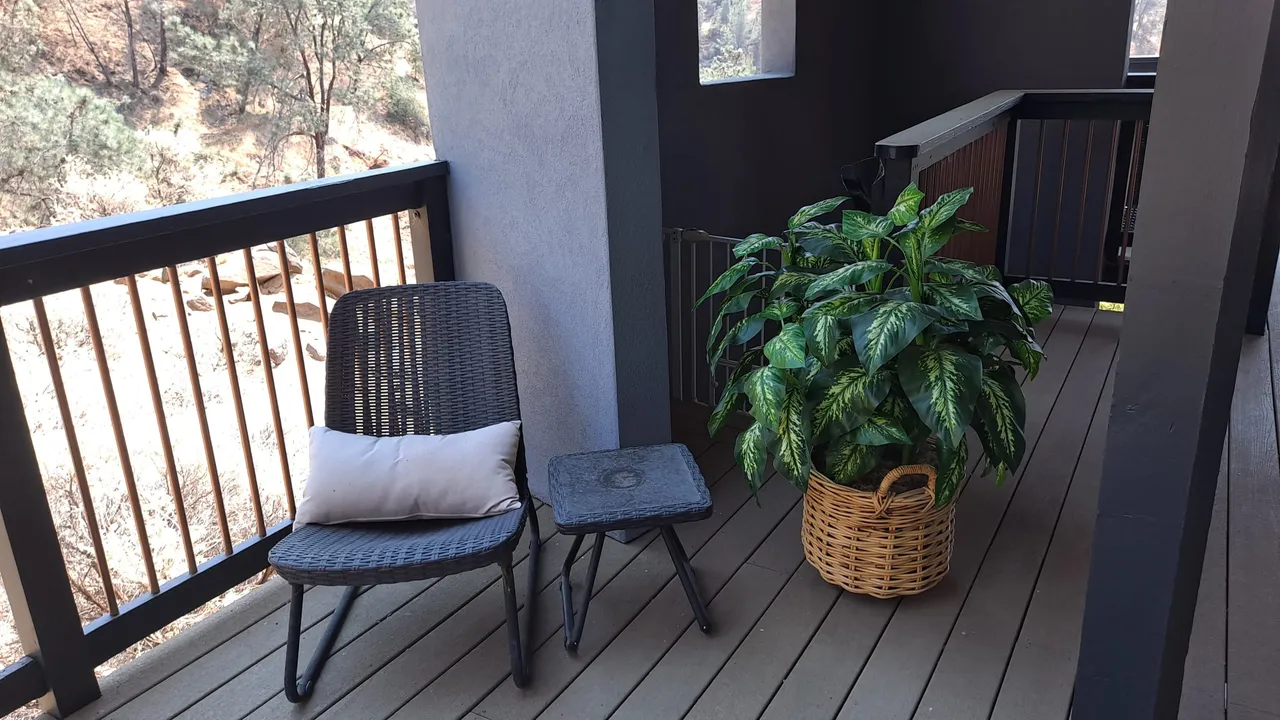
You’ll be welcomed, oriented to the space, and introduced to the people supporting your care. The goal isn’t perfection on day one — it’s safety, clarity, and a rhythm you can settle into. Many people arrive tired, nervous, or unsure they belong. We expect that. Your first days are designed to reduce overwhelm, not pile on pressure.
Orientation covers practical details: where things are, how the day is structured, who to talk to when something feels hard, and what privacy looks like here. You’ll meet staff and begin building familiarity with the community around you — at a pace that respects where you are emotionally.
Tour, introductions, and a clear explanation of daily expectations and support so nothing important feels hidden or rushed.

Group and community moments that reduce isolation without forcing vulnerability before you’re ready.
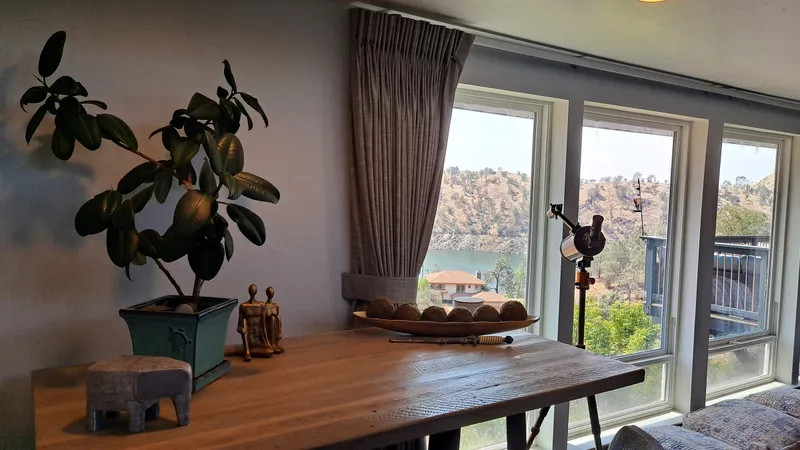
Therapy and planning begin with where you are — not where anyone thinks you should be — and grow as you settle in.
Daily Rhythm
Expect a mix of individual sessions, group work, skill-building, meals, rest, and time to process. Schedules provide anchors when motivation dips — and staff are present when moments get hard. Structure isn’t about control for its own sake; it’s about giving your days shape when life has felt chaotic or unpredictable.
Some days will feel lighter. Others will stir up grief, craving, or doubt. Both are part of early recovery. You’ll practice tools for stress and triggers, talk through what’s coming up, and learn how to ask for help before things spiral. Progress here is measured in steadier hours and clearer choices — not overnight transformation.
Families
When appropriate, we help families understand the process and how to support recovery without taking over. Privacy and clinical judgment guide what we share. Loved ones often carry fear, hope, and exhaustion all at once — and they deserve guidance that is honest and usable.
Family involvement can include education about substance use and recovery, clearer boundaries, and practical ways to encourage treatment without nagging or rescuing. We’ll talk through communication preferences early so everyone knows what to expect.
Family supportSettling in
The first week is about getting oriented, building trust, and beginning to feel less alone in the work ahead. You’ll start connecting with clinicians and peers, learn how to use the schedule as an anchor, and begin naming what you want recovery to look like in real life — relationships, routines, health, and the hard moments that used to send you sideways.
If you’ve been to treatment before, this week may feel familiar and different at the same time. We don’t treat a previous attempt as failure. We treat it as information: what helped, what didn’t, and what you need more of now. If this is your first time, we’ll explain things plainly and check in often so you’re never left guessing.
Questions are welcome every day. Not sure what to bring, who to talk to, or how a session works? Ask. Clarity lowers fear — and fear shouldn’t be the thing that keeps you from staying long enough for support to take hold.
Ask us what a Tuesday here actually looks like. Or come see it — we'll set up a walkthrough before you commit to anything.